Complete Plumbing Guide for Denver Homes
Expert information on plumbing systems, fixtures, water heaters, maintenance, and emergency repairs for Denver homeowners.
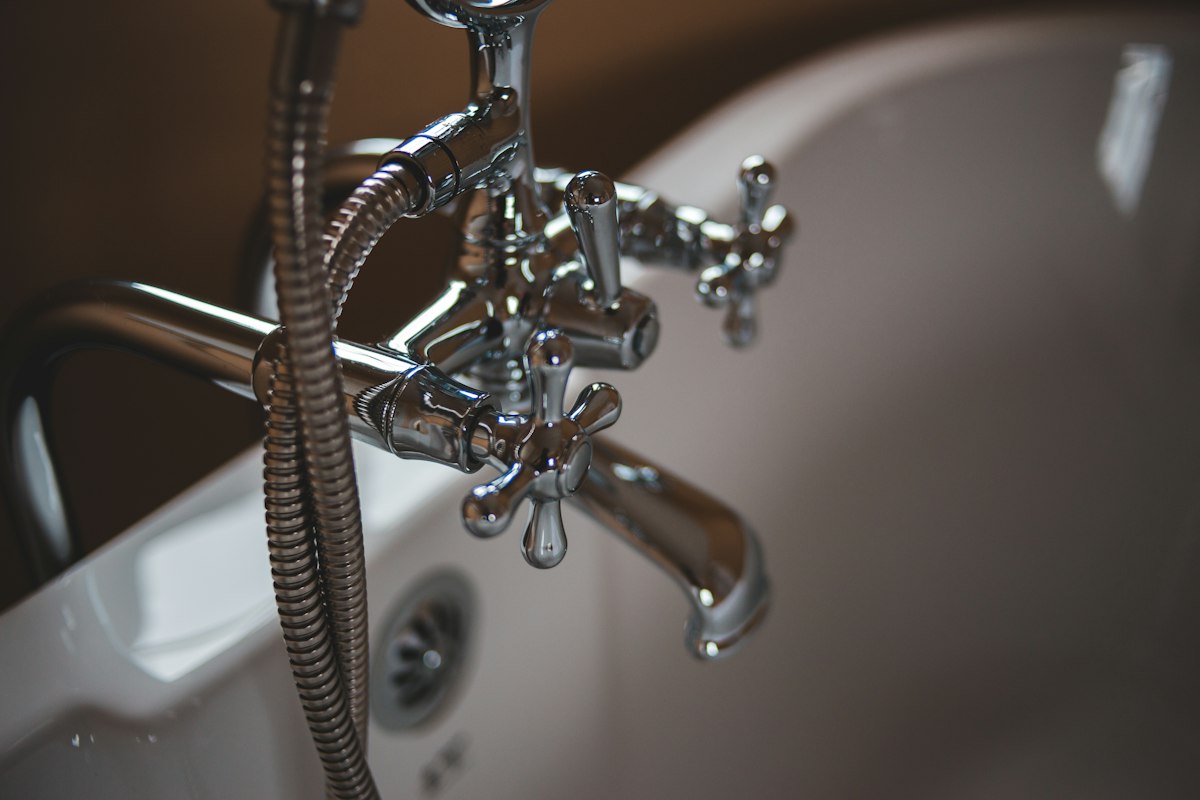
Professional Plumbing Knowledge
Everything you need to know about your home's plumbing system
Plumbing Topics
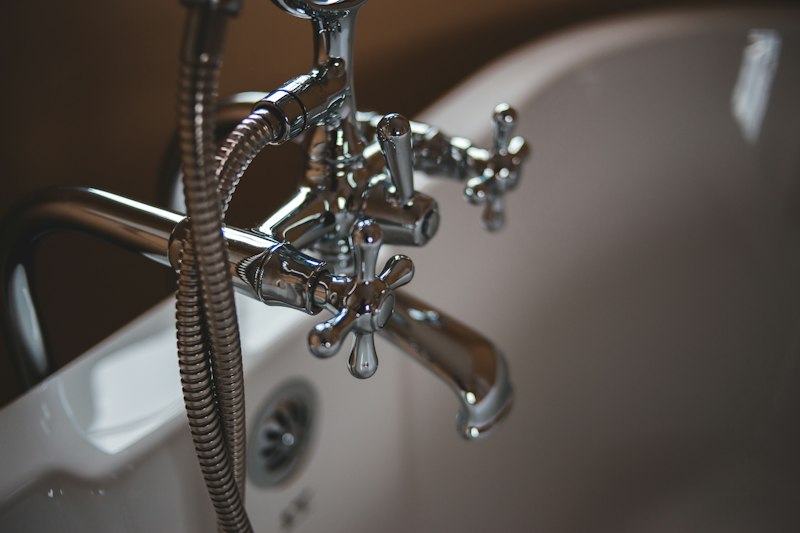
Pipe Systems
Complete guide to residential pipe systems including copper, PEX, PVC, and galvanized pipes. Learn about materials, installation, and when to replace.
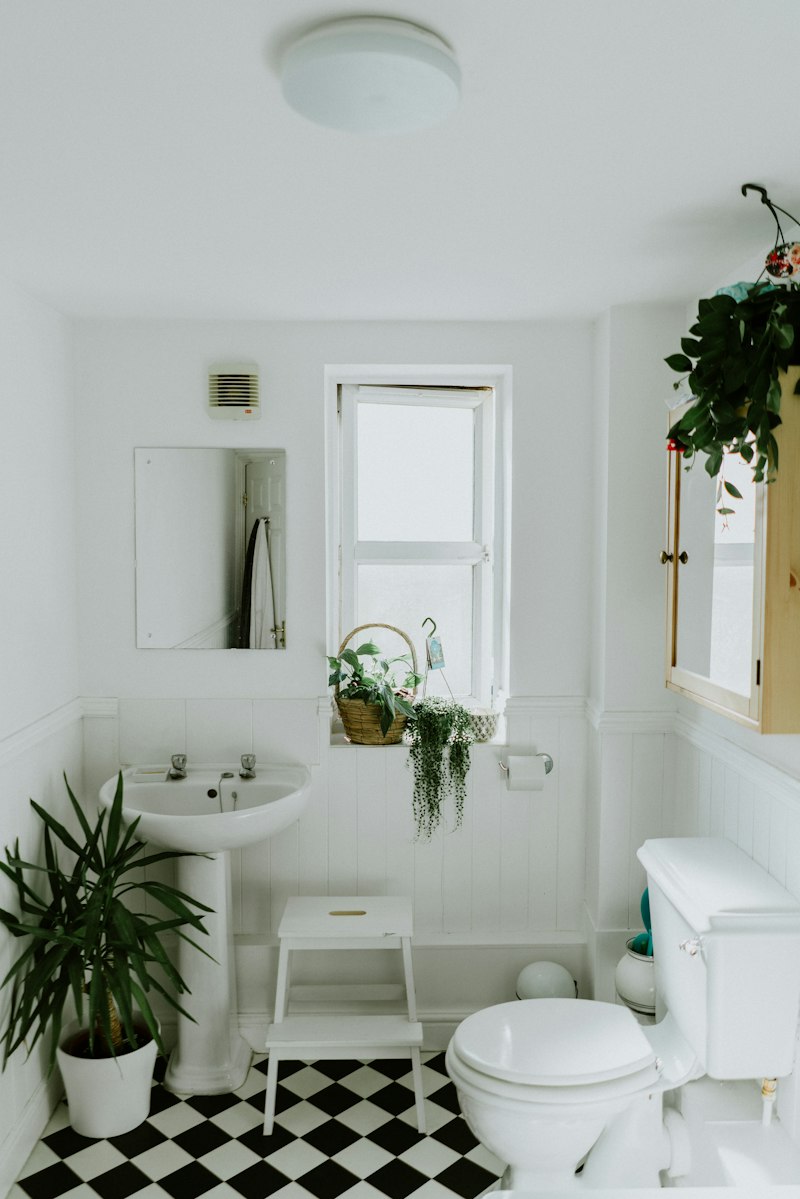
Plumbing Fixtures
Everything about sinks, faucets, toilets, showers, and bathtubs. Installation, repair, and replacement guides for all fixtures.
Water Heaters
Comprehensive water heater guide covering tank, tankless, and hybrid systems. Sizing, installation, maintenance, and troubleshooting.
Emergency Repairs
Quick fixes for common plumbing emergencies including burst pipes, leaks, clogs, and water heater failures in Denver homes.
Denver-Specific Plumbing Considerations
Frozen Pipes
High RiskDenver's cold winters cause pipe freezing. Insulate exposed pipes and maintain heat during cold snaps.
Hard Water
ModerateDenver has moderately hard water (7-10 grains). Consider water softeners to prevent mineral buildup.
High Water Pressure
ModerateDenver's altitude can cause high water pressure. Install pressure regulators to prevent damage.
Sewer Line Issues
VariableOlder Denver homes may have clay sewer lines susceptible to tree root intrusion.
Essential Plumbing Maintenance
Regular maintenance prevents costly repairs and extends the life of your plumbing system. Follow these essential maintenance tasks:
Understanding Your Plumbing System
Water Supply System
Your water supply system brings fresh water into your home through a network of pipes. Denver's municipal water comes from mountain snowmelt and is treated to meet safety standards.
- • Main water line from street to home
- • Water meter (usually in basement or outside)
- • Main shutoff valve
- • Branch lines to fixtures and appliances
- • Hot and cold water distribution
Drainage System
The drainage system removes wastewater from your home through gravity-fed pipes that connect to Denver's sewer system or your septic tank.
- • Drain pipes from fixtures
- • P-traps to prevent sewer gas
- • Vent pipes for proper drainage
- • Main sewer line to street or septic
- • Cleanout access points
Common Plumbing Questions
When should I call a plumber?
Call immediately for burst pipes, no water, sewage backups, or gas leaks. For other issues like slow drains or dripping faucets, you can often DIY or schedule non-emergency service.
How often should I replace pipes?
Copper pipes last 50+ years, PEX 40-50 years, PVC 25-40 years. Replace if you see corrosion, leaks, or discolored water. Many Denver homes built before 1980 may need repiping.